Before watching
I’ve always wanted to see the Three Colours trilogy, and I’m sure originally I knew what it was about. Now, with so many years passed, I have no clue what I’m about to see, and that’s my favourite way of going into a film – with no expectations plot-wise.
After watching
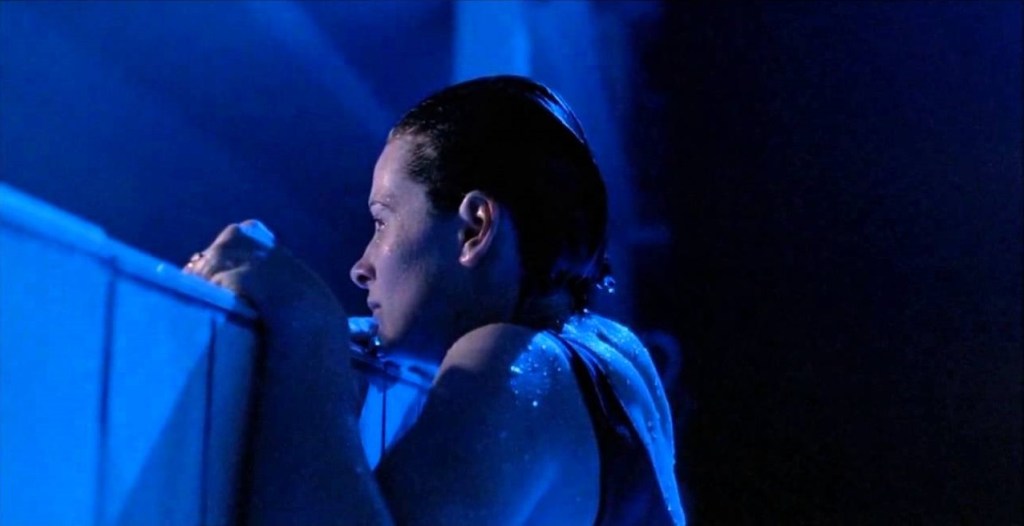
This was a gorgeous story about grief. Grief is such an interesting concept – psychologically –, that I sometimes forget that it’s such an awful experience. Here Julie, a lady of strong convictions, is charting her own way through the dark and stormy waters of life after the death of her family. Her behaviour, even though I myself have never experienced grief, is somehow so very understandable and relatable to me, it really struck a chord. I do feel like you become selfish and possessive of the people you lose, because your anger at the helplessness of the situation just bubbles up that way. It was reassuring seeing Julie manage the hurricane of strong feelings, but also numbness, caused by the deaths of her loved ones, so well. Not at first, but she worked through it, and came out of it happy again.
Thoughts | Lessons | Reminders
“You’ve changed. You weren’t so rude before.” “Haven’t you heard? I had an accident. I lost my daughter and my husband.”
This is an excellent example of people being insensitive. I feel like as with any feelings that are hard to manage from the outside, this is one where if you want to help, let them know you’re there if they need you, and if you don’t want to help, just stay away. I get that the journalist had to do her job, but she could’ve asked a person close to Julie to find something out, as opposed to going in and upsetting a person who just had their whole life turned upside down.
Lesson for me: Not a lesson in being less insensitive, because I actually wouldn’t dare talk about anything mundane with someone who is grieving. But definitely a reminder to let the person know you’re there for them. I often try to be sensitive and avoid meaningless conversations to the point where I forget to offer actual support. Grief has to be worked through on the griever’s own terms, but for when they’re ready to let go and step back into the real world, isn’t it just so important to have someone waiting.
“Why are you crying?” “Because you’re not.”
Interestingly, Julie took this quite well, as she seemed to love the lady who was supposedly crying for Julie’s family, because Julie wouldn’t shed a tear. I genuinely can’t say that I know how grief works – I obviously have my guesses, but let’s be honest: that’s all they are.
“But you see, I’m like any other woman. I sweat, I cough. I have cavities. You won’t miss me.”
It’s funny – the kind sof things we tell ourselves when we’re going through something. The logic, when your mind is stressed, is incredible; some things you manage to convince yourself of are positively insane.
Lesson for me: Try and not make crazy decisions in the state of stress. Think what three of your friends would say to any decision you make. If they oppose your plan unanimously, don’t be stupid.
“You’ve always got to hold onto something.”
As much as I appreciated que será será life in my early twenties, at some point I realised there always needs to be something pulling you further, something you’re working towards. It seems the same is true about your past. It’s hard to go forward with confidence when you’re not tied at all to your past. As much as Julie wanted a clean slate with her life after the death of her family, there were bits and bobs pulling her back into her past. I’m positive that she wouldn’t have been happy, had she had a clean cutoff. Something would’ve haunted her for the rest of her life.
Lesson for me: Find meaning and reason in your roots and past life experience, and draw it back to what you are today. Then don’t forget it – take pride in it.
“Something must have happened to you. You’re not the type somebody dumps.”
As much as people don’t like being classified, there are people who you just see through and can tell what they’re like in certain respects. I don’t know if I should keep doing that or not. Maybe it’s only a privilege left for heroines in French films…
Lesson for me: No matter how much someone seems a certain way, keep your mind open and get to know the person before making any assumptions.
“Now I have only one thing left to do – nothing.”
This is what depression sounds like.
Lesson for me: The way out of depression is to get sick of nothing and start doing something again. Anything. Just don’t give up – not truly.
In conclusion
This was such a touching watching experience! As with any trilogy, it’ll be hard to follow up on the same level after such a strong start, but I’m very keen to see what we have in store for white and red.
Until the next time,
Jake

